Mustafa Bilge Satkın

Mustafa Bilge Satkın

Belgesel fotoğrafçı, İstanbulDocumentary photographer, Istanbul

Nuh’un GölgesindeIn the Shadow of Noah

Dicle ve Çoruh vadileriTigris and Çoruh valleys

Bu proje, Türkiye’nin kuzeydoğusu ve güneydoğusunda büyük ölçekli baraj yapımı nedeniyle yerel toplulukların yaşadığı çevresel tahribatı ve zorunlu yaşam biçimi değişikliklerini ele alıyor. Devlet su politikaları çerçevesinde Dicle ve Çoruh vadilerinde inşa edilen barajlar, 5.000–10.000 yıl öncesine uzanan kadim yerleşimleri, dinî yapıları ve çok sayıda kültürel miras alanını sular altında bıraktı. Tarihsel peyzajların yok edilmesinin ötesinde bu projeler mikroiklimleri değiştirerek, bitki ve hayvan popülasyonlarını azaltarak ve habitatların bütününü yeniden şekillendirerek ekolojik sistemleri de önemli ölçüde dönüştürdü.

Toplumsal sonuçlar da en az bunun kadar derin. Türk, Kürt, Arap, Gürcü ve Laz toplulukları dâhil farklı etnik kökenlerden 20.000’den fazla insan evlerini ve tarım arazilerini terk etmek zorunda kaldı. Bir zamanlar çiftçiliği ve hayvancılığı besleyen verimli nehir vadileri kaybedildi; bu da iş olanakları arayışıyla büyük şehirlere göçü hızlandırdı. Bu yerinden edilme, geleneksel geçim kaynaklarını sekteye uğrattı ve topluluk bağlarını zayıflattı. Kırsal yaşamdan modern kent ortamlarına geçiş, yalnızca kadim alanlar ve anıtlar gibi somut mirası değil, bölgenin toplumsal dokusunu oluşturan diller, ritüeller ve yerel gelenekler gibi somut olmayan kültürel öğeleri de tehdit ediyor.

Bu bağlamda proje, suyun simgesel boyutuna da dikkat çekiyor: Nuh Tufanı efsanesi burada insan müdahalesiyle yeniden beliriyor. “Suyun varlığı” ile “suyun yokluğu” arasındaki diyalektik, peyzajların, toplumların ve kolektif belleğin kalkınma baskıları altında nasıl dönüştüğünü gösteriyor. Bu etkileşim, insanlığın yaratma ve yıkma döngüsünün tekrarını ve temel ihtiyaçları karşılamak için doğaya yapılan denetimsiz müdahalelerin çevresel ve kültürel sonuçlarını ortaya koyuyor.

This project focuses on the environmental degradation and forced lifestyle changes experienced by local communities in northeastern and southeastern Turkey as a result of large-scale dam construction. Implemented within the framework of state water policies, the dams built in the Tigris and Çoruh valleys have submerged ancient settlements, religious structures, and numerous cultural heritage sites dating back 5,000–10,000 years. Beyond the destruction of historical landscapes, these projects have significantly altered ecological systems by changing microclimates, reducing plant and animal populations, and reshaping entire habitats.

The social consequences are equally profound. More than 20,000 people from diverse ethnic backgrounds—including Turkish, Kurdish, Arab, Georgian, and Laz communities—have been forced to abandon their homes and agricultural lands. Fertile river valleys that once supported farming and animal husbandry were lost, accelerating migration to larger cities in search of employment opportunities. This displacement has disrupted traditional livelihoods and undermined community cohesion. The transition from rural life to modern urban environments poses a threat not only to tangible heritage, such as ancient sites and monuments, but also to intangible cultural elements, including languages, rituals, and local customs that comprise the social fabric of the region.

In this context, the project also draws attention to the symbolic dimension of water, evoking the myth of Noah’s Flood, which resurfaces here through human intervention. The dialectic of the “presence of water” and the “absence of water” highlights how landscapes, societies, and collective memories are transformed under the pressures of development. This interplay reveals humanity’s recurring cycle of creation and destruction, exposing the environmental and cultural consequences of uncontrolled interventions in nature to meet basic needs.
After the DisappearanceAfter the Disappearance

Halep, Palmira, Tel Rıfat, ŞamAleppo, Palmyra, Tell Rifaat, Damascus

Suriye’nin dört bir yanında görünen manzara, yalnızca büyük çaplı yıkımı değil, kayıp ile süreklilik arasındaki kırılgan sınırı da yansıtıyor. 2011’de başlayan Suriye İç Savaşı’ndan bu yana yüz binlerce insan öldü, milyonlarca insan yerinden edildi. Bugün bu uzun çatışmanın etkisi yalnızca kentlerdeki fiziksel yıkımda değil, gündelik hayatın yokluğun koşulları içinde nasıl sürdüğünde de görülüyor.

Beşar Esad’ın ülkeden ayrılması ve Ahmed eş-Şara’nın merkezî bir siyasi figür olarak öne çıkması dâhil son siyasi gelişmeler, yeni bir aşamaya geçiş ihtimaline işaret ediyor. Ancak bu değişimlerin ötesinde ülke, hayatta kalma ve uyum sağlama pratikleriyle biçimlenen daha ince, daha az görünür bir gerçekliği ortaya koyuyor.

Kent sokaklarında, yerinden edilmiş insanların kamplarında ve geçici yerleşimlerde çocuklar en görünür toplumsal gruplardan birini oluşturuyor. Yıkımın ortasında büyüyen çocukların çoğu harabe ortamlarda oyun oynuyor ve bu mekânları geçici bir normalliğin alanlarına dönüştürüyor. Varlıkları terk edilmiş alanları yeniden canlandırıyor, aksi halde boş kalacak mekânları hareket ve sesle dolduruyor. Aynı zamanda ailelerin, özellikle Türkiye’den, kademeli dönüşü gündelik hayatın temkinli bir biçimde yeniden belirmesine işaret ediyor; geri dönenler, geçmişle bugünün belirsiz biçimlerde bir arada var olduğu istikrarsız yaşam koşullarına yeniden dâhil oluyor.

Belirsizlik ülke genelinde belirleyici bir koşul olmayı sürdürüyor. Yine de yalnızca bir parçalanma gücü olarak işlemek yerine, yeni yakınlık ve bir arada var olma biçimleri de üretiyor. Bu bağlamda Suriye’deki çağdaş yaşam, yıkım ile süreklilik arasındaki gerilim içinde ilerleyen bir süreç olarak anlaşılabilir: geçmişin izleri sürüyor ve gündelik pratikler geleceğin imkânını ayakta tutuyor.

Across Syria, the visible landscape reflects not only large-scale destruction but also the fragile boundary between loss and persistence. Since the outbreak of the Syrian Civil War in 2011, hundreds of thousands of people have been killed and millions displaced. Today, the impact of this prolonged conflict is evident not only in the physical devastation of cities but also in how everyday life continues within conditions of absence.

Recent political developments, including Bashar al-Assad’s departure and the emergence of Ahmed al-Sharaa as a central political figure, suggest a potential transition to a new phase. However, beyond these shifts, the country reveals a subtler, less visible reality shaped by daily practices of survival and adaptation.

In urban streets, displacement camps, and temporary settlements, children constitute one of the most visible social groups. Growing up amid destruction, many of them engage in play within ruined environments, transforming these spaces into sites of temporary normalcy. Their presence reactivates abandoned areas, filling otherwise empty spaces with movement and sound. At the same time, the gradual return of families—particularly from Türkiye—signals a cautious re-emergence of daily life, as returnees are reintroduced into unstable living conditions, where past and present coexist in uncertain ways.

Uncertainty remains a defining condition across the country. Yet rather than functioning solely as a force of fragmentation, it also produces new forms of proximity and coexistence. In this context, contemporary life in Syria can be understood as a process unfolding within the tension between destruction and continuity—where traces of the past persist, and everyday practices sustain the possibility of a future.

White EarthWhite Earth

Kaybolan bir gölün anatomisi, Urmiye GölüThe anatomy of a vanishing lake, Lake Urmia

Bir zamanlar dünyanın en büyük tuz göllerinden biri olan Urmiye Gölü, son yirmi yılda yüzey alanının yaklaşık %80’ini kaybetti. İklim değişikliğinin, suyun girişini engelleyen barajların ve yoğun sulamanın birleşik etkisi, gölün su seviyesinde çarpıcı bir düşüşe ve ağır bir ekolojik krize yol açtı.

Bir zamanlar flamingolara ve diğer göçmen kuşlara ev sahipliği yapan Urmiye Gölü, giderek çorak bir tuz düzlüğüne dönüştü. Ziyaretçileri turkuaz sularında gezdiren tekneler şimdi kurumuş, çatlamış zeminde hareketsiz duruyor; yok olmuş bir ekosistemin sessiz tanıkları olarak. Terk edilmiş tesisler kıyılarını boydan boya sarıyor, rüzgârın taşıdığı tuz çevredeki tarım arazilerini yok ederek binlerce insanın hayatını ve geçim kaynaklarını değiştiriyor.

Bu çevresel felaket, doğaya yapılan denetimsiz insan müdahalesinin kırılgan ekolojik dengeleri nasıl bozabileceğinin ve bütün toplulukları nasıl tehdit edebileceğinin çarpıcı bir hatırlatıcısı. Aynı zamanda insanlık ile doğal dünya arasında yenilenmiş bir uyuma duyulan acil ihtiyacı ve sürdürülebilir su yönetimi ile çevre bilincinin ortak geleceğimiz için anahtar olduğunu vurguluyor.

İklim krizi gerçekten küresel bir sorun olarak kabul edilip ele alınmazsa benzer ekolojik felaketlerin yaşanması muhtemel. Yine de ortak sorumluluk ve çevre bekçiliği sayesinde Urmiye Gölü’nün bir gün eski canlılığına kavuşabileceği, güzel ve yaşam veren sularına yeniden dönebileceği yönünde bir umut var.

Lake Urmia, once one of the largest salt lakes in the world, has lost nearly 80% of its surface area over the past two decades. The combined effects of climate change, dams blocking water inflow, and intensive irrigation have caused a dramatic drop in the lake’s water levels and led to a severe ecological crisis.

Once home to flamingos and other migratory birds, Lake Urmia has gradually turned into a barren salt flat. The boats that once carried visitors across its turquoise waters now sit motionless on dry, cracked ground — silent witnesses to a vanished ecosystem. Abandoned resorts line its shores, and the salt carried by the wind has destroyed nearby farmland, changing the lives and livelihoods of thousands of people.

This environmental disaster is a stark reminder of how uncontrolled human intervention in nature can upset fragile ecological balances and threaten entire communities. It also highlights the urgent need for a renewed harmony between humanity and the natural world, emphasizing sustainable water management and environmental awareness as key to our collective future.

If the climate crisis is not acknowledged and addressed as a truly global challenge, similar ecological disasters will likely occur. Still, there is hope that through shared responsibility and environmental stewardship, Lake Urmia could someday restore its former vitality — returning to its beautiful, life-giving waters once again.

Zamansız Ülke: AfganistanA Timeless Country: Afghanistan

Son 35 yıldır Afganistan halkı süren savaştan ve onun etkilerinden acı çekmeye devam ediyor. Yıllarca süren savaşların ardından ülke nüfusunun büyük bölümü sakat kalmış ve eğitimsiz insanlardan oluşuyor. Uluslararası Güvenlik Destek Gücü’nün (ISAF) önümüzdeki günlerde Afganistan’dan ayrılması planlanıyor. Afganistan’daki savaş kâğıt üzerinde bitmiş görünse de Taliban’ın ülkenin güney ve doğu bölgelerindeki varlığı, ülkenin yeniden inşasını geciktirmeyi sürdürüyor. Bu kaos içinde Afgan halkı kendini geleceksiz hissediyor ve günü kurtarmaya çalışıyor. Afganistan sokaklarında acının bakışı hâkim. İnsanlar durumun çözümsüzlüğünü ve umutsuzluğu kabullenmiş görünüyor… Umutsuz bu insanlarda ilk fark edilen şey, onurlu ve ağırbaşlı duruşları.

Afganistan’ın 35 yıllık işgalinin başlıca nedeni, onun önemli stratejik konumu. Dünya siyasetine yön vermeyi hedefleyen ülkeler için Afganistan’ın jeopolitik konumu, bu ülkenin çocuklarının gündelik hayatından, zengin kültürel birikiminden ve onurlu tarihinden daha önemli.

Afganistan’da Orta Çağ’dan bir sahneyi andıran birçok çağdışı görüntüyle karşılaşmak mümkün… Savaşın etkilerini taşıyan gündelik hayattan kesitler, geleneksel hayvan dövüşleri ve yoğun kahramanlık figürleri taşıyan Afgan oyunları hayatı bir ölçüde renklendiriyor.

Belgesel fotoğrafın temel amacı olan bir ortamı anlamak ve yansıtmak, Afganistan gibi sayısız dramatik hikâyenin yaşandığı bir yerde zorlu bir iştir. Bu çalışma, gündelik hayatın sade bir anlatımıyla Afganistan halkının ve savaşa ve adaletsizliğe direnen bu coğrafyanın çocuklarının mücadelesini ele alıyor.

For the past 35 years, people of Afghanistan continue to suffer from the ongoing war and its effects. After years of wars, most of the population of the country consists of crippled and uneducated people. International Security Aid Force (ISAF) plans to leave Afghanistan in the following days. Although war in Afghanistan seems to be over on paper, the presence of Taliban in southern and eastern regions of the country continues to delay the reconstruction of country. In this chaos, people of Afghanistan feel futureless and try to save the day. Look of pain is dominant on streets of Afghanistan. People seem to accept the insolubility and desperation of the situation… First thing to be recognized from these people without hope is the honorable and solemn stand.

The important strategic position of Afghanistan is the main reason of the 35 years of invasion. For countries that aim to rule the world politics, the geopolitical position of Afghanistan is more important than the daily life of children, rich cultural background and honorable history of this country.

In Afghanistan, it is possible to encounter several anachronistic scenes that resemble a stage of middle age… Slices of daily life that carry the effects of wartime, traditional animal fights and Afghan games that have dense heroic figures somewhat color the life.

The main aim of the documentary photograph, to understand an environment and reflecting it, is a hard task when it comes to a place of numerous dramatic stories like Afghanistan. This work, with a plain narrative of daily life, treats the struggle of the people of Afghanistan and the children of this geography that resists war and injustice.

Drowned History

Utopljena Zgodovina

Baraj projelerinin su altında bıraktığı kültürel ve arkeolojik miras. Dijital arşiv, Norveç Ulusal Fotoğraf Müzesi Preus Museum koleksiyonunda yer alıyor.

Cultural and archaeological heritage submerged by dam projects. The digital archive is part of the collection of the Preus Museum, Norway’s national museum of photography.

Diğer çalışmalarOther work

  • Siyah-Beyaz İstanbulBlack and White Istanbul
  • Scarecrows
  • Buzkashi
  • Shopping Center
  • Ashura Mourning
  • Red Gold Saffron
  • The Last Music Hall

HakkındaAbout

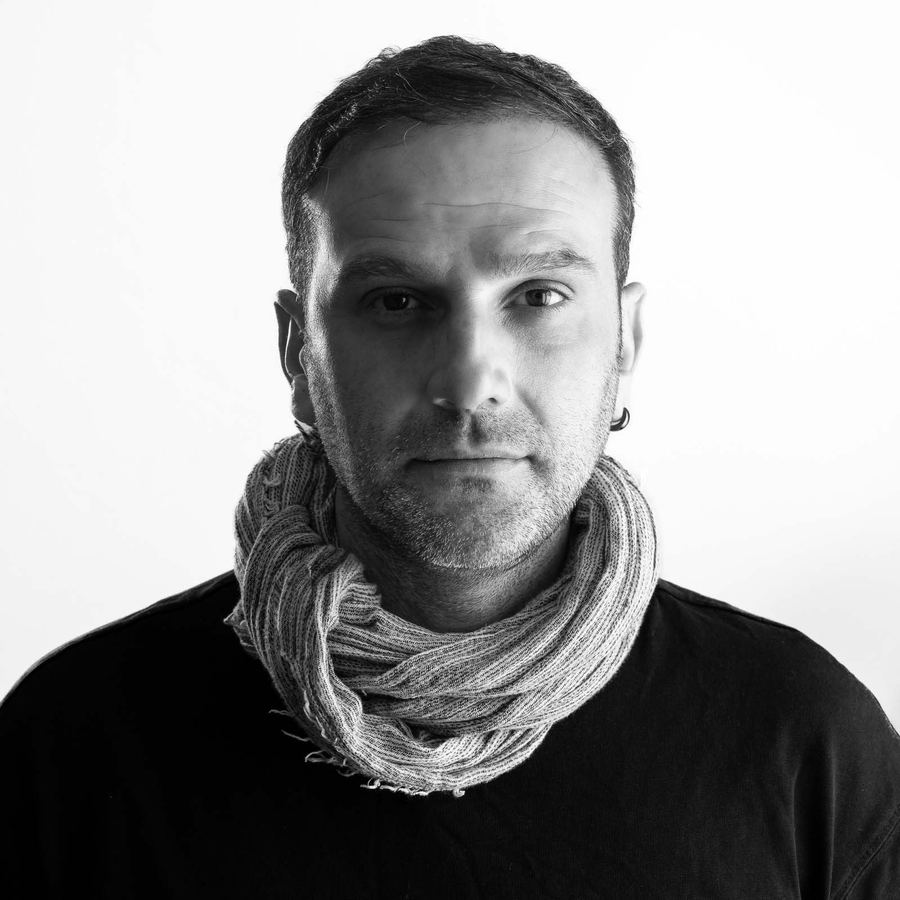
Mustafa Bilge Satkın, İstanbul’da yaşayan bir belgesel fotoğrafçı ve akademisyen. Çalışmaları, uzun soluklu görsel araştırmalar aracılığıyla yapısal dönüşümlerin, mekânsal yerinden edilmenin, iklim krizinin ve insani dayanıklılığın toplumsal ve çevresel sonuçlarını inceliyor. Marmara Üniversitesi Fotoğraf Bölümü’nde profesör ve Diversify Photo üyesi.

Mustafa Bilge Satkın is a documentary photographer and academic based in Istanbul. His work investigates the social and environmental consequences of structural transformations, spatial displacement, climate crisis, and human resilience through long-term visual research. He is a professor in the Department of Photography at Marmara University and a member of Diversify Photo.

Mustafa Bilge Satkın
EğitimEducation
2011 Sanatta yeterlik, Mimar Sinan Güzel Sanatlar Üniversitesi, İstanbulProficiency in Art, Mimar Sinan Fine Arts University, Istanbul
2005 Fotoğraf yüksek lisansı (MFA), Marmara Üniversitesi, İstanbulMFA in Photography, Marmara University, Istanbul
2002 Fotoğraf lisansı (BFA), Marmara Üniversitesi, İstanbulBFA in Photography, Marmara University, Istanbul
GörevPosition
Profesör, Marmara Üniversitesi Güzel Sanatlar Fakültesi, Fotoğraf Bölümü (halen)Professor, Department of Photography, Faculty of Fine Arts, Marmara University (present)
Müze ve kurum koleksiyonlarıMuseum and institutional collections
Preus Museum, Ulusal Fotoğraf Müzesi, Horten, NorveçPreus Museum, National Museum of Photography, Horten, Norway
Fondation des Treilles, Tourtour, FransaFondation des Treilles, Tourtour, France

ÖzgeçmişCV

RezidanslarArtist residencies

  • 2026Fondation des Treilles, fotoğraf rezidansı (1 ay), Le Domaine des Treilles, Tourtour, FransaFondation des Treilles, Photography Residency (1 month), Le Domaine des Treilles, Tourtour, France

Seçilmiş kişisel sergilerSelected solo exhibitions

  • 2026“In the Shadow of Noah”, Xposure International Photography Festival, Şarika, BAE“In the Shadow of Noah”, Xposure International Photography Festival, Sharjah, UAE
  • 2025“In the Shadow of Noah”, Leica Gallery Vienna, Viyana, Avusturya“In the Shadow of Noah”, Leica Gallery Vienna, Vienna, Austria
  • 2025“Drowned History”, Tasweer Photo Festival, Doha, Katar“Drowned History”, Tasweer Photo Festival, Doha, Qatar
  • 2024“Drowned History”, Alma Medena Art Gallery, Medena, Slovenya“Drowned History”, Alma Medena Art Gallery, Medena, Slovenia
  • 2023“Drowned History”, Preus Museum, Horten / Oslo, Norveç“Drowned History”, Preus Museum, Horten / Oslo, Norway
  • 2023“Drowned History”, Kranj Photo Festival, Kranj, Slovenya“Drowned History”, Kranj Photo Festival, Kranj, Slovenia
  • 2020“The Disappearance of Tigris Valley”, Bursa Uluslararası Fotoğraf Festivali, Türkiye“The Disappearance of Tigris Valley”, Bursa International Photography Festival, Turkey
  • 2018“Buzkashi”, Bursa Uluslararası Fotoğraf Festivali, Türkiye“Buzkashi”, Bursa International Photography Festival, Turkey
  • 2017“Shopping Center”, Bursa Uluslararası Fotoğraf Festivali, Türkiye“Shopping Center”, Bursa International Photography Festival, Turkey
  • 2014“Timeless Country Afghanistan”, Uluslararası İstanbul Fotoğraf Festivali, Türkiye“Timeless Country Afghanistan”, International Istanbul Photography Festival, Turkey
  • 2011“Scarecrows”, Bursa Uluslararası Fotoğraf Festivali, Türkiye“Scarecrows”, Bursa International Photography Festival, Turkey

Hibeler ve ödüllerGrants and awards

  • 2026Fondation des Treilles Fotoğraf Rezidans Ödülü, kazanan (Fransa)The Fondation des Treilles Photography Residency Prize, Winner (France)
  • 2025Felix Schoeller Photo Award, finalistFelix Schoeller Photo Award, Finalist
  • 2024Leica Society International (LSI) Grant, 2. ödülLeica Society International (LSI) Grant, 2nd Prize
  • 2024Romano Cagnoni Award, kısa listeRomano Cagnoni Award, Shortlist
  • 2024Istanbul Photo Awards, Story Environment, 3. ödülIstanbul Photo Awards, Story Environment, 3rd Prize
  • 2023Tasweer Project Award, kazananTasweer Project Award, Winner
  • 2023Prix ISEM de la Photographie Documentaire, kısa listePrix ISEM de la Photographie Documentaire, Shortlist
  • 2023Felix Schoeller Photo Award, finalistFelix Schoeller Photo Award, Finalist
  • 2023ZEKE Award, mansiyonZEKE Award, Honorable Mention
  • 2022Getty Images Editorial Grant, kazananGetty Images Editorial Grant, Winner
  • 2022Xposure Independent Freelance Photojournalist Award, kısa listeXposure Independent Freelance Photojournalist Award, Shortlist
  • 2021Premio Internacional Luis Valtueña, kısa listePremio Internacional Luis Valtueña, Shortlist
  • 2021Direct Look Photo Award, 2. ödülDirect Look Photo Award, 2nd Prize
  • 2020Pictures of the Year International (POY), Environmental Vision Award, kazananPictures of the Year International (POY), Environmental Vision Award, Winner
  • 2020Lucie Foundation “Photo Taken” Grant, kazananLucie Foundation “Photo Taken” Grant, Winner
  • 2020Focus on the Story Portrait Award, finalistFocus on the Story Portrait Award, Finalist
  • 2020Türkiye Foto Muhabirleri Derneği, Yılın Foto Hikâyesi, kazananTurkey Photojournalists Association, Photo Story of the Year, Winner
  • 2017Humanity Photo Awards (HPA), Portre kategorisi, kısa listeHumanity Photo Awards (HPA), Portrait Category, Shortlist

Seçilmiş editoryal ve saha işleriSelected editorial and field commissions

  • 2023“The earthquake in Türkiye and Syria: Disaster and climate resilience”, UNDP Global
  • 2023“We had to start from scratch”, Photo-Essay, UNDP Global
  • 2022“In the Shadow of Noah”, One Water Blue
  • 2017–2019UNDP Sürdürülebilir Kalkınma Hedefleri (SDG) Programı’nın fotoğrafik belgelenmesi: Suriye Krizine Yanıt Türkiye Dayanıklılık Projesi; Artvin Tarımsal Dönüşüm Projesi; Mülteci Ekonomik Kapsayıcılık GirişimleriPhotographic documentation of the UNDP Sustainable Development Goals (SDG) Program: Turkey Resilience Project in Response to the Syria Crisis; Artvin Agricultural Transformation Project; Refugee Economic Inclusion Initiatives

Yayınlar ve akademik makalelerPublications and academic papers

  • 2018“The Changing Rhetoric of Photography in Political Communication”, The Journal of Academic Social Sciences, Vol. 83, pp. 137–152
  • 2017“A New Medium in Street Photography: Instagram”, The Journal of Social Sciences, Vol. 14, pp. 431–451
  • 2017“Usage of Photograph During July 15 in Press”, The Journal of Social Sciences, Vol. 13, pp. 420–434
  • 2017“Transformation of Visual Representation: From Self-Portrait to Selfie”, Ordu University Journal of Social Science Research, 7(2), pp. 297–306
  • 2014“Photography, Reality and Ideology”, Sanat Tasarım Dergisi, Vol. 1, p. 7
  • 2012“Detecting Glass Surface Corrosion with Image Processing Techniques”, Anadolu University Journal of Science and Technology, Vol. 13, pp. 121–126

BaskılarPrints

Fine art pigment baskılar, %100 pamuk tabanlı arşivsel kâğıtlarda (Hahnemühle, Awagami) hazırlanır. Her baskı orijinallik sertifikası (COA) ve edisyon takibiyle, müze standartlarında çerçeveleme ve koruma pratikleriyle sunulur. Baskı ve koleksiyon talepleri için iletişime geçin.

Fine art pigment prints are made on 100% cotton archival papers (Hahnemühle, Awagami). Each print comes with a certificate of authenticity (COA) and edition tracking, using museum-standard framing and conservation practice. For print and collection enquiries, please get in touch.

İletişimContact

Sergi, yayın, koleksiyon ve iş birliği talepleri için yazın.

For exhibition, publication, collection and collaboration enquiries, write to me.

© 2026 Mustafa Bilge Satkın